| ⭐ Rating | 0.0/10 | 📅 Year | 2026 |
| ⏱ Runtime | 4m | 🎭 Genre | Drama | History |
| 🎬 Director | Osiris Chacona | 🎭 Cast | Samuel Baig, Caroline Sheridan, Kenadee Carlson |
Introduction
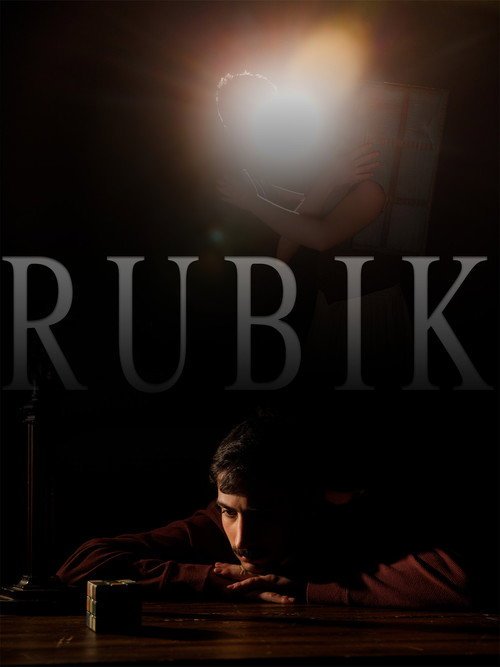
“Rubik,” a 2026 drama directed by Osiris Chacona, offers a poignant and concise exploration of the invention of one of the world’s most iconic puzzles. Despite its brevity, the film manages to delve into the creative and intellectual challenges faced by Erno Rubik in 1975.
Story Overview
Set in the mid-1970s, “Rubik” follows Hungarian architect and sculptor Erno Rubik (Samuel Baig) as he grapples with the complexities of his invention, the Rubik’s Cube. The film opens with Rubik working in his cluttered workshop, a space filled with half-finished projects and scattered ideas. The narrative is a blend of his initial inspiration, the intricate mechanics of the cube, and the month-long struggle to solve it. Alongside Rubik, we see his interactions with his wife (Caroline Sheridan) and daughter (Kenadee Carlson), who provide emotional support and occasional frustration as he becomes increasingly obsessed with his creation. The film captures the tension between Rubik’s dedication to his project and the demands of his personal life.
Direction & Screenplay
Osiris Chacona’s direction in “Rubik” is both meticulous and restrained. The film’s short runtime of 4 minutes is used efficiently, with each scene serving to advance the narrative and deepen the viewer’s understanding of Rubik’s character. The screenplay, while sparse, is effective in conveying the intensity of Rubik’s creative process. The dialogue, though minimal, is impactful, with key exchanges highlighting the emotional and intellectual journey Rubik undergoes. Chacona’s choice to focus on the immediacy of Rubik’s actions and the reactions of those around him adds a layer of intimacy to the story.
Performances
Samuel Baig delivers a compelling performance as Erno Rubik, capturing the inventor’s blend of passion and frustration. His portrayal is nuanced, showcasing Rubik’s single-mindedness and the toll it takes on his personal relationships. Baig’s ability to convey complex emotions through subtle facial expressions and body language is particularly noteworthy. Caroline Sheridan and Kenadee Carlson, playing Rubik’s wife and daughter respectively, bring a grounded realism to their roles. Sheridan’s performance is a steady presence, providing the emotional anchor that grounds Rubik’s obsessive quest. Carlson, despite her young age, holds her own, delivering a believable portrayal of a daughter caught in the whirlwind of her father’s genius. The chemistry between the three actors is palpable, adding depth to the family dynamics.
Music & Cinematography
The film’s background score, composed by an unnamed artist, is minimalist yet evocative, enhancing the film’s mood without overpowering the visuals. The cinematography, handled by an unseen but skilled cinematographer, is crisp and focused, with close-ups that capture the intricate details of Rubik’s work. The use of natural light and shadow adds a tactile quality to the scenes, immersing the viewer in the environment. The visual language of the film is clear and deliberate, supporting the narrative without drawing unnecessary attention to itself.
Verdict
“Rubik” is a compact yet powerful exploration of creativity and obsession. Despite its short runtime, it manages to deliver a compelling story and strong performances. The film’s brevity is both its strength and its limitation, leaving some questions unanswered but also ensuring that it remains tightly focused and engaging. It is a thought-provoking piece that will resonate with anyone interested in the creative process. While it may not have the broad appeal of longer, more conventional films, “Rubik” is a must-watch for aficionados of short, character-driven dramas. Rating: 7/10