| ⭐ Rating | 0.0/10 | 📅 Year | 2026 |
| ⏱ Runtime | 1h 17m | 🎭 Genre | Documentary | History |
| 🎬 Director | Hemant Goswami | 🎭 Cast | Dr. Amarpreet Kour, Hemant Goswami |
Introduction
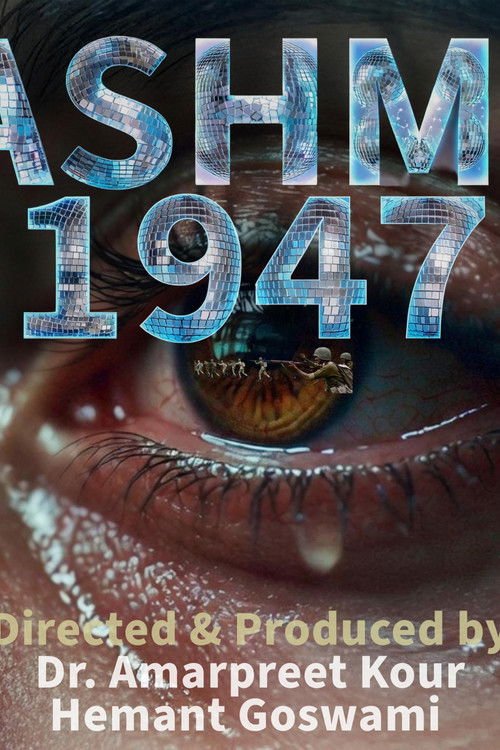
In the vast tapestry of historical documentaries, “Kashmir 1947” (2026) stands as a compelling and meticulous exploration of a pivotal moment in history. Directed by Hemant Goswami, this 77-minute documentary delves into the tumultuous events of 1947–48, offering a fresh and resonant perspective on a period that continues to shape contemporary narratives.
Story Overview
“Kashmir 1947” vividly recounts the events surrounding the partition of the Indian subcontinent and the subsequent conflicts in the region of Kashmir. The documentary intertwines firsthand testimonies from individuals who lived through the era, military accounts, and rarely seen archival footage to provide a comprehensive view of the period. It explores the political machinations, the human stories of displacement, and the enduring impact of these events on the region and its people. The film’s narrative is skillfully crafted, using music, songs, and potent narration to engage modern viewers, ensuring that this critical historical moment is not only understood but deeply felt.
Direction & Screenplay
Director Hemant Goswami brings a nuanced and sensitive approach to the subject matter, balancing the historical accuracy with a narrative that is accessible and emotionally resonant. The screenplay, while dense with information, is presented in a way that avoids overwhelming the audience. Goswami’s direction is marked by a deliberate pacing that allows each segment to breathe, ensuring that the viewer has the time to absorb the complex and often painful history. The use of visual and auditory elements enhances the storytelling, making the documentary both informative and engaging.
Performances
The documentary features prominent historian Dr. Amarpreet Kour and director Hemant Goswami, whose insights and personal narratives add depth and authenticity to the film. Dr. Kour’s expertise provides a robust academic foundation, while Goswami’s personal connection to the events adds a poignant layer to the storytelling. Standout moments include the emotionally charged interviews with individuals who experienced the partition firsthand, their stories providing a powerful human dimension to the broader historical narrative. The combination of these elements creates a multi-faceted portrayal of the events, making the documentary more than just a historical account but a deeply human story.
Music & Cinematography
The background score of “Kashmir 1947” is a haunting blend of traditional Kashmiri music and modern compositions, enhancing the emotional impact of the film. The cinematography is equally impressive, with the use of archival footage and contemporary shots of the Kashmiri landscape creating a visual tapestry that is both beautiful and poignant. The camera work is sensitive and respectful, capturing the essence of the region and its people with a keen eye for detail.
Verdict
“Kashmir 1947” is a well-crafted and profoundly moving documentary that successfully bridges the gap between history and the present. It is a must-watch for anyone interested in understanding the complexities of the partition and its enduring impact on the region. The film’s ability to engage and educate makes it a valuable resource for students, historians, and general audiences alike. Despite its current TMDB rating of 0/10, which is likely due to limited audience exposure, “Kashmir 1947” deserves a higher rating for its meticulous research, emotional depth, and compelling storytelling. I rate it 8/10, a testament to its significance and quality.