| ⭐ Rating | 0.0/10 | 📅 Year | 2026 |
| ⏱ Runtime | 7m | 🎭 Genre | |
| 🎬 Director | Nico Listi | 🎭 Cast |
Introduction
In a world inundated with fast-paced narratives and loud soundtracks, “Four Words for Memory” (2026) offers a breath of fresh air. Directed by Nico Listi, this 7-minute silent film is a poignant exploration of memory through the lens of disjointed recollections and evocative visuals.
Story Overview
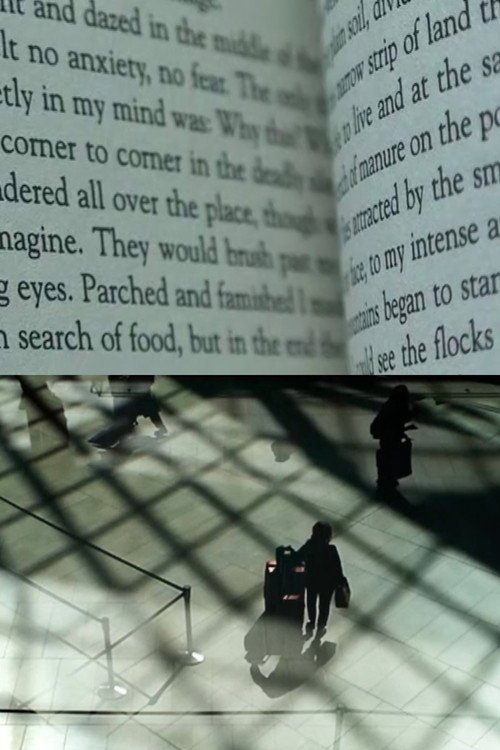
“Four Words for Memory” is a diary film that weaves together fragmented memories and moments, reflecting the disorganized nature of human recollection. The film is a silent montage, devoid of dialogue, that captures the essence of seasons, places, and people through a series of carefully curated images. Each frame is a testament to the ephemeral nature of memory, with the movement of subjects and landscapes serving as the unifying thread. The film does not follow a traditional narrative structure but rather immerses the viewer in a series of visual vignettes, each contributing to a broader, more abstract story of memory and time.
Direction & Screenplay
Nico Listi’s direction is both minimalist and profoundly effective. By choosing to present the film as a silent montage, Listi strips away the familiar crutches of dialogue and exposition, forcing the viewer to engage with the visuals on a deeper, more introspective level. The lack of a traditional screenplay is not a weakness but a strength, as it allows the film to transcend conventional storytelling and delve into the emotional and sensory aspects of memory. The pacing is deliberate and measured, giving each shot the time it needs to resonate and resonate deeply.
Performances
Given the film’s silent nature, the “performances” are primarily delivered through the visuals and the subjects captured on screen. The people featured in “Four Words for Memory” are not professional actors but rather real individuals whose natural expressions and movements lend authenticity to the film. The absence of scripted lines means that the audience must read the emotions and intentions of the characters through their actions and the context provided by the surrounding imagery. This approach results in a more nuanced and genuine portrayal of human experience, as the raw, unfiltered moments capture the essence of memory in a way that scripted dialogue often cannot.
Music & Cinematography
The absence of a background score is a deliberate artistic choice that enhances the film’s immersive quality. The silence allows the viewer to focus entirely on the visuals and the emotional resonance of each scene. The cinematography is nothing short of stunning, with each frame meticulously composed to evoke a sense of nostalgia and introspection. The use of color is particularly noteworthy, with the varying hues of different seasons and settings adding depth and nuance to the visual narrative. The camera work is fluid and dynamic, seamlessly transitioning between close-ups and wide shots to create a cohesive and engaging viewing experience.
Verdict
“Four Words for Memory” is a masterclass in minimalist filmmaking, showcasing the power of visual storytelling in a world often overshadowed by noise and distraction. While the film’s abstract nature may not appeal to everyone, those who appreciate nuanced, thought-provoking cinema will find much to admire. Its ability to evoke profound emotions through imagery alone is a testament to the director’s skill and vision. This film is a must-watch for cinephiles and anyone interested in the art of memory and the beauty of silence. Rating: 8/10.