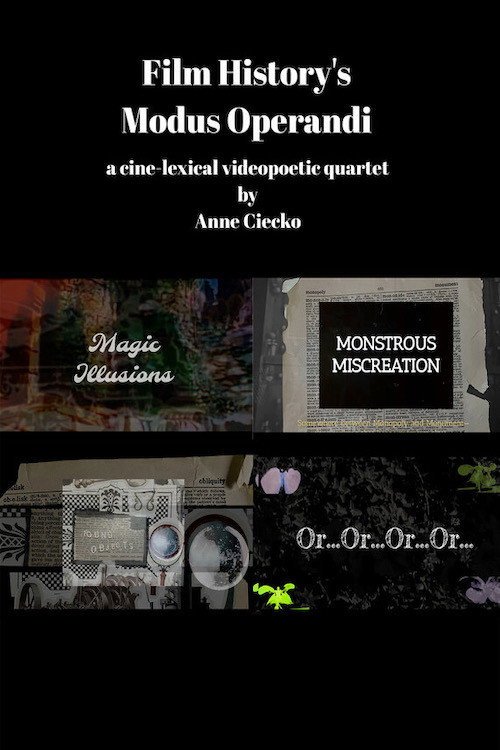
| ⭐ Rating | 0.0/10 | 📅 Year | 2026 |
| ⏱ Runtime | N/A | 🎭 Genre | Horror |
| 🎬 Director | Anne Ciecko | 🎭 Cast |
Introduction
Diving deep into the annals of cinematic history, “Film History’s Modus Operandi” (2026) is a haunting exploration of the darker undercurrents that run through film culture. Director Anne Ciecko crafts a chilling narrative that blurs the lines between reality and fiction, inviting viewers into a labyrinth of psychological terror.
Story Overview
“Film History’s Modus Operandi” is a fragmented and multifaceted exploration of cinematic obsession. The film is structured around four interconnected stories: “Magic Illusions,” “Found Objects,” “Monstrous Miscreation,” and “Or… Or… Or…Or…” Each segment delves into the dark rituals, obsessions, and fractured realities hidden within the world of film. “Magic Illusions” introduces us to a filmmaker obsessed with creating the perfect illusion, while “Found Objects” follows a collector who discovers a mysterious archive of forgotten films. “Monstrous Miscreation” delves into the psyche of a director whose experimental films have unintended and terrifying consequences. Finally, “Or… Or… Or…Or…” leaves the audience in a state of uncertainty, questioning the nature of what they have just witnessed. The film’s non-linear narrative and stark, unflinching portrayal of its subjects create a sense of disorientation and unease that permeates the entire experience.
Direction & Screenplay
Director Anne Ciecko’s approach to “Film History’s Modus Operandi” is both bold and experimental. The film’s fragmented structure and non-linear storytelling serve to mirror the psychological disarray of its characters, immersing the audience in their obsessions and delusions. Ciecko’s direction is meticulous, with a keen eye for detail that makes even the most mundane elements of the film feel charged with significance. The screenplay, while dense and sometimes cryptic, is rich with subtext and symbolic imagery, inviting multiple viewings to fully unravel its mysteries. However, this complexity can also be a double-edged sword, as the film’s intricate layers may leave some viewers feeling lost or disconnected.
Performances
The cast of “Film History’s Modus Operandi” delivers a range of compelling performances that are as varied as the segments they inhabit. Each actor brings a unique intensity to their role, matching the film’s intense and psychologically demanding content. In “Magic Illusions,” the lead actor’s portrayal of a filmmaker driven to the brink of madness is particularly noteworthy, capturing the descent into obsession with a raw and visceral energy. Similarly, the collector in “Found Objects” is played with a nuanced and brooding presence, effectively conveying the creeping sense of dread that envelops the character. The standout moment comes in “Monstrous Miscreation,” where the director’s gradual unraveling is both terrifying and tragic, a testament to the actor’s ability to evoke deep emotional resonance. Despite the film’s challenging nature, the cast rises to the occasion, delivering performances that are both haunting and memorable.
Music & Cinematography
The background score of “Film History’s Modus Operandi” is a haunting and atmospheric accompaniment to the film’s unsettling visuals. Composed with an ear for dissonance and unease, the music enhances the psychological tension, often merging seamlessly with the film’s fragmented narrative. The cinematography, in turn, is both striking and understated, using a palette of muted tones and shadowy compositions to create a sense of claustrophobia and disorientation. The use of archival footage and found footage elements adds an extra layer of authenticity and eerie realism to the film, further blurring the line between fiction and reality.
Verdict
“Film History’s Modus Operandi” is a daring and provocative exploration of the darker aspects of film culture, but its success is a matter of personal interpretation. While the film’s complex structure and dense narrative may not resonate with everyone, those who appreciate psychological horror and experimental cinema will find much to admire. The film’s haunting visuals, atmospheric score, and strong performances make it a memorable and thought-provoking experience. For viewers willing to invest the time and effort to unravel its mysteries, “Film History’s Modus Operandi” is a must-see. Rating: 6.5/10.