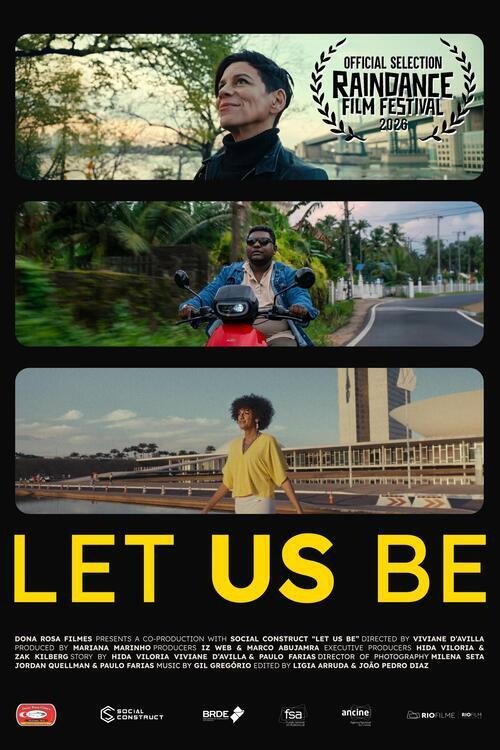
| ⭐ Rating | 0.0/10 | 📅 Year | 2026 |
| ⏱ Runtime | 1h 29m | 🎭 Genre | |
| 🎬 Director | Viviane D’Avilla | 🎭 Cast | Hida Viloria, Carolina Iara, Aanandh Rajappan, Lyss Ball, Tiger Devore |
Introduction
In an era where the conversation around gender and identity is more critical than ever, “Let Us Be” (2026) offers a powerful and intimate glimpse into the lives of intersex individuals. Directed by Viviane D’Avilla, this documentary transcends its genre to become a poignant exploration of human rights, dignity, and the diversity of human experience.
Story Overview
“Let Us Be” takes viewers on a journey across India, Brazil, and the USA, following the lives of several intersex individuals who share their stories of resilience and advocacy. The film delves into the personal struggles and triumphs of Hida Viloria, Carolina Iara, Aanandh Rajappan, Lyss Ball, and Tiger Devore, each of whom has faced the challenge of navigating a world that often imposes rigid binaries on sex and gender. Through their narratives, the documentary exposes the ethical and moral implications of non-consensual surgeries performed on intersex children, highlighting the ongoing fight for bodily autonomy and the recognition of intersex rights. The film also examines the broader societal attitudes that perpetuate these issues, urging viewers to question and redefine their understanding of gender and identity.
Direction & Screenplay
Director Viviane D’Avilla employs a sensitive and nuanced approach, allowing the subjects to lead the narrative with their own voices. The direction is both empathetic and insightful, creating a safe space for the participants to share deeply personal stories. The screenplay is well-crafted, seamlessly blending individual testimonials with broader discussions on intersex rights and societal norms. D’Avilla’s ability to balance the emotional weight of each story with a clear, educational message makes “Let Us Be” a compelling and thought-provoking documentary.
Performances
The main cast of “Let Us Be” consists of real individuals whose performances, though not traditional in the acting sense, are profoundly moving. Hida Viloria, a pioneering intersex activist, offers a powerful and articulate perspective on the struggles and achievements of the intersex community. Carolina Iara’s story of navigating life in Brazil, a country with its own unique challenges, is both heartwarming and insightful. Aanandh Rajappan’s journey from India provides a stark contrast to the experiences of those in the Western world, highlighting the global nature of the intersex rights movement. Lyss Ball and Tiger Devore add depth and diversity to the narrative, each bringing their unique experiences and insights. Their candid and heartfelt testimonies are the heart of the film, making “Let Us Be” a deeply human and relatable documentary.
Music & Cinematography
The background score, composed with subtle and evocative tones, complements the emotional undertones of the film without overwhelming it. The cinematography is equally commendable, capturing intimate moments and landscapes with a delicate and respectful lens. The visual aesthetics enhance the storytelling, providing a visual representation of the emotional and physical landscapes of the intersex community. The use of close-ups and natural lighting adds to the film’s authenticity and emotional resonance.
Verdict
“Let Us Be” is a groundbreaking documentary that not only raises awareness about the intersex community but also challenges viewers to rethink their assumptions about gender and identity. It is a deeply moving and educational film that should be seen by anyone interested in human rights, social justice, and the beauty of human diversity. Despite its low TMDB rating, the film’s impact and the importance of its message cannot be understated. I highly recommend “Let Us Be” to all audiences and give it a rating of 8.5/10.